

You've Held It Together for Years.
What If Your Nervous System Could Finally Stand Down?
For high-performing women carrying chronic pressure, unresolved trauma, and a body that won't rest, even when life looks fine on paper.
You're not failing at rest. Your nervous system simply doesn't believe the danger has passed.
Chronic stress.
Burnout that doesn't shift with time off.
Sleep that never quite restores.
The constant edge you can't explain to anyone who hasn't felt it.
This isn't about trying harder. It's about resolving what taught your body to stay on guard in the first place.

You've tried the supplements
The sleep hygiene.
The breathing exercises.
The meditation apps that made you more anxious.
The therapy that helped... until it didn't.
Some things worked briefly. Nothing lasted.
Because exhaustion isn't the problem. When your nervous system learned, over years, that staying alert was necessary for survival, rest doesn't happen just because you're tired.
The jaw stays tight.
The shoulders stay braced.
The mind scans even when there's nothing to solve.
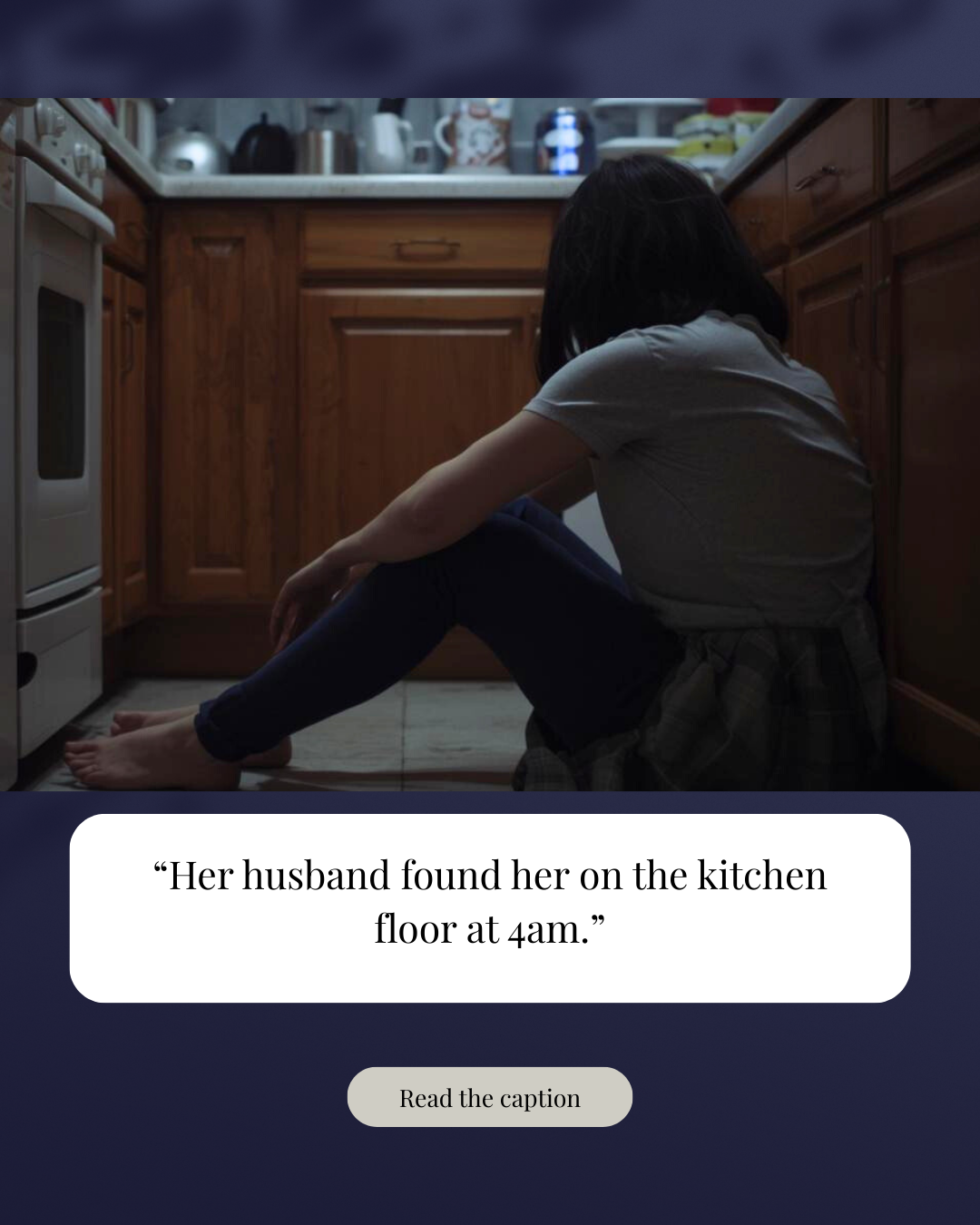
At night, when everything finally goes quiet, your body doesn't relax.
It panics.
What's Actually Happening
Your Nervous System Isn't Broken. It's Protecting You.

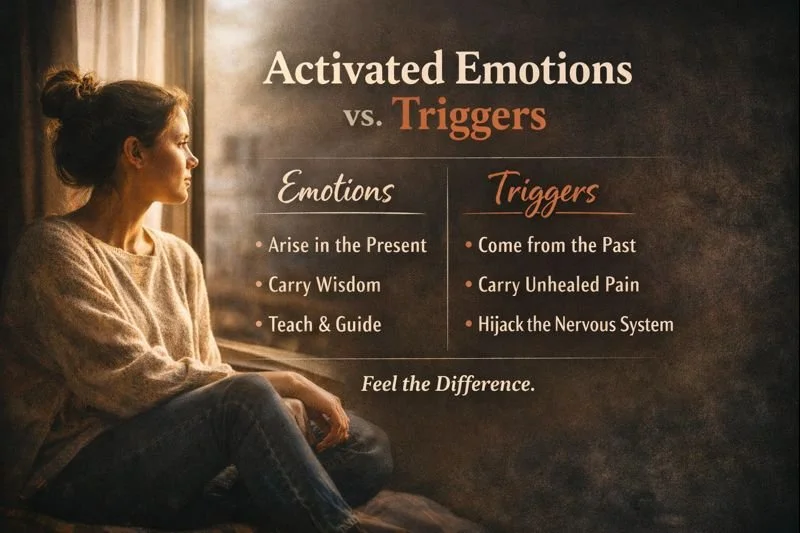
For many high-capacity women, especially those navigating leadership pressure, neurodivergent children, hormonal shifts, or long-standing trauma patterns, the nervous system gets stuck in one mode: Stay alert. Don't drop the ball.
This isn't weakness. It's an adaptation.
The problem is, your body doesn't know when the danger has passed unless it's shown, not told.
That's why thinking your way out doesn't work.
That's why sleep aids sedate but don't restore.
That's why meditation can feel impossible when the system is already overwhelmed.
You can't logic your body into safety.
Resolution, Not Regulation
The Difference Between Coping and Completion
Most approaches focus on regulation, helping you manage symptoms in the moment. And regulation has its place. However, for a nervous system shaped by years of pressure, responsibility, and incomplete survival responses, regulation alone is insufficient.
Resolution is different.

Resolution allows the nervous system to finally complete what it never got to complete.
Not by reliving experiences.
Not by analysing endlessly.
Not by "breathing through it."
But by letting the survival response finish, so the body can finally stand down.
This is the foundation of trauma-informed nervous system work.
And it's what sits underneath everything I do with TRTP.
What Changes Look Like
The Shifts Are Quiet — But Undeniable
When unresolved patterns resolve, the changes aren't dramatic.
They're subtle.
Sleep deepens naturally.
The jaw softens without effort.
The constant background tension fades.
You stop snapping at the people you love.
Decisions become clearer.
Rest stops feeling like another job.
Women often say:
"I didn't realise how braced I was."
"I feel like I've come back into my body."
"I finally feel like myself again."
Chronic stress doesn't just steal sleep.
It steals patience.
Presence.
Joy.
Identity.
And when the nervous system finally understands that it's safe, all of that starts coming back.
How We Work Together
Structured. Contained. Designed for Women Who Think Deeply.
I work with women who already know how to "do the work." What they want now is precision.
My approach combines:

TRTP (The Richards Trauma Process) for rapid trauma resolution
Nervous system education that makes sense of your experience
Integration support so changes hold
No endless processing. No motivational fluff. No bypass.
This isn't generic coaching or open-ended therapy. It's structured, trauma-informed work designed to produce felt change, not just understanding.
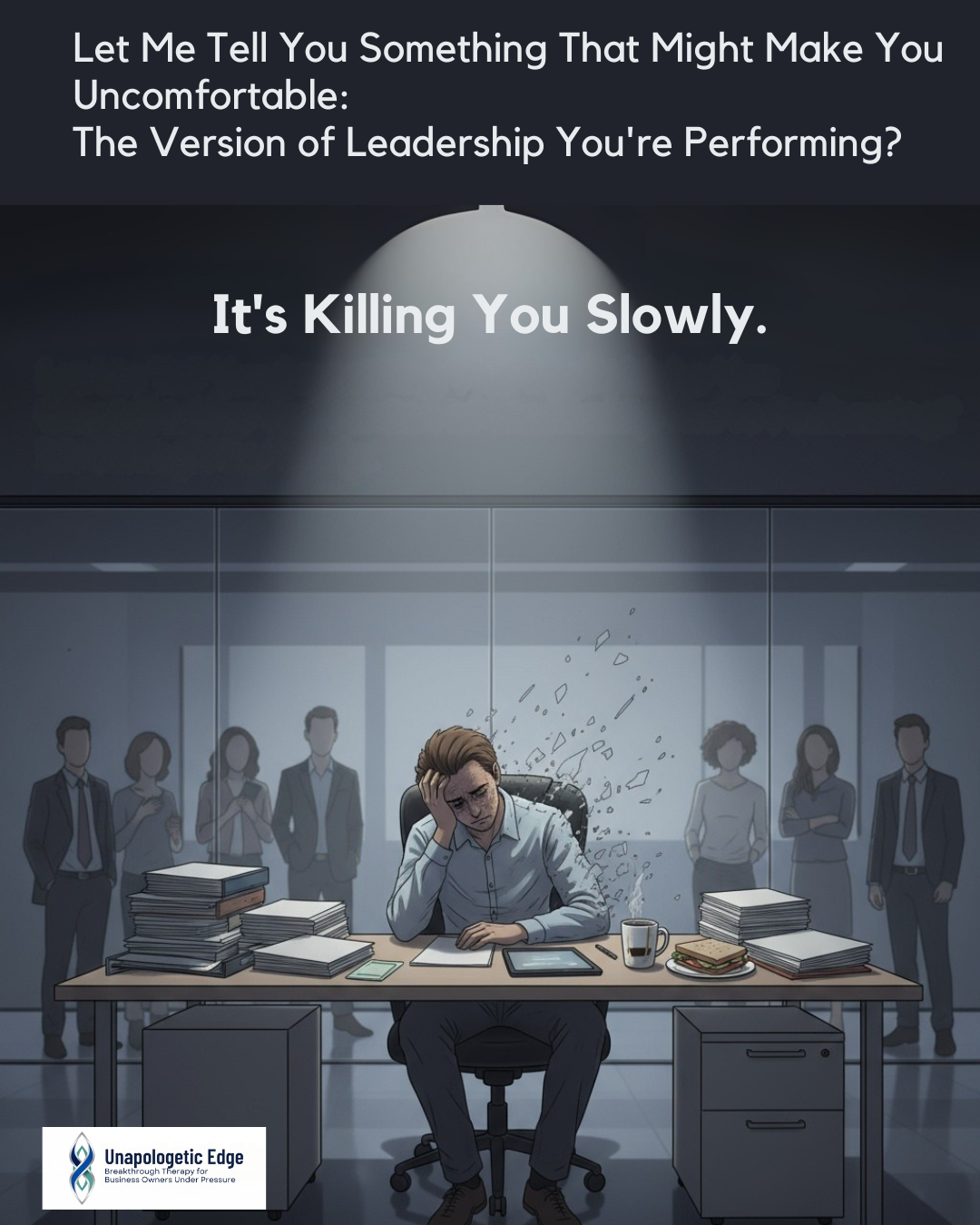
You might be coping well, achieving a lot, and still feel worn thin. This Burnout Audit helps you see the hidden drivers behind that exhaustion. It’s not about how busy you are. It’s about what your nervous system has learned to carry.
Our Blog







If This Resonates
If you're reading this at 2 am. If your body feels wired even when your life looks fine on paper. If you've tried everything and you're tired of trying. This isn't about doing more. It's about resolving what taught your body to stay on guard in the first place. When the nervous system finally understands that the danger has passed, rest stops being something you chase.It becomes something your body allows.