
Edge Insights
Insight for Women Who Think Deeply and Feel Everything.

This space is for perspective, not platitudes.
Here you'll find:
Articles on nervous system patterns, burnout, leadership pressure, and identity shifts
Resources designed to help you notice what your body already knows
Nothing here is designed to overwhelm you.
Everything is designed to orient you back to yourself.
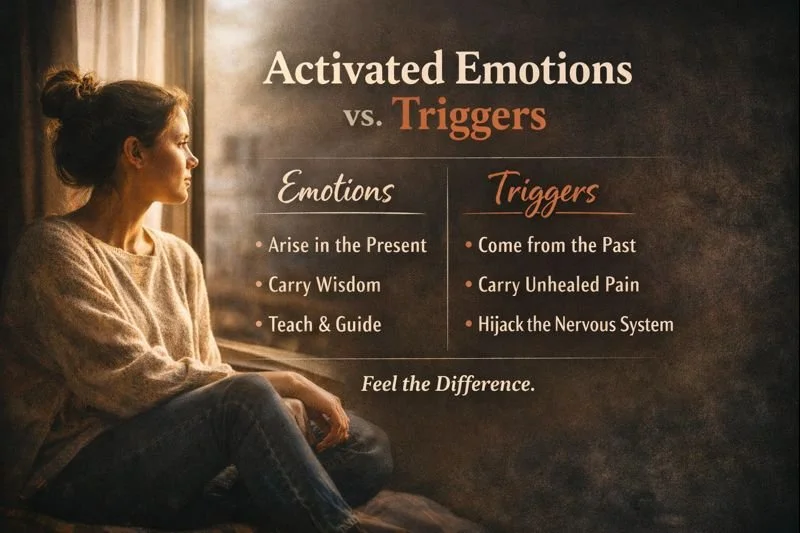
Activated emotions and triggers are not the same thing
You've been calling every big emotion a "trigger." Anger, grief, boundary heat, tears in meetings, if it feels strong, it gets the label. But that might be the thing keeping you stuck in self-monitoring instead of self-trust.
Here's what actually matters: there's a neurological difference between an activated emotion (which is you doing emotional adulthood) and a trigger (which is your nervous system stuck in the past). When you confuse the two, you pathologise normal emotional life and miss the places that actually need healing.
This article walks you through the neuroscience, your window of tolerance, why your thinking brain goes offline during triggers, and why understanding a pattern isn't the same as resolving it. You'll learn how to tell the difference in your own nervous system, and what it actually looks like when healing has happened (spoiler: it's not emotional flatness).
And if you're still caught in those repeating patterns despite all your insight? That's your signal. Your nervous system is looking for completion, not control.

Why NLP Doesn't Hold a Candle to TRTP
You've done the work. Really done it. Therapy. Coaching. Mindset courses. You can articulate exactly why you react the way you do, and you've got strategies to manage it.
And yet you're still snapping at your partner, ruminating at midnight, white-knuckling through it all.
You're not broken. But you've been trying to solve a nervous system problem with a cognitive solution. And that's why NLP doesn't hold a candle to TRTP.
Here's the neurological difference between managing patterns and resolving them, and why the foundation-level work is what was missing all along.
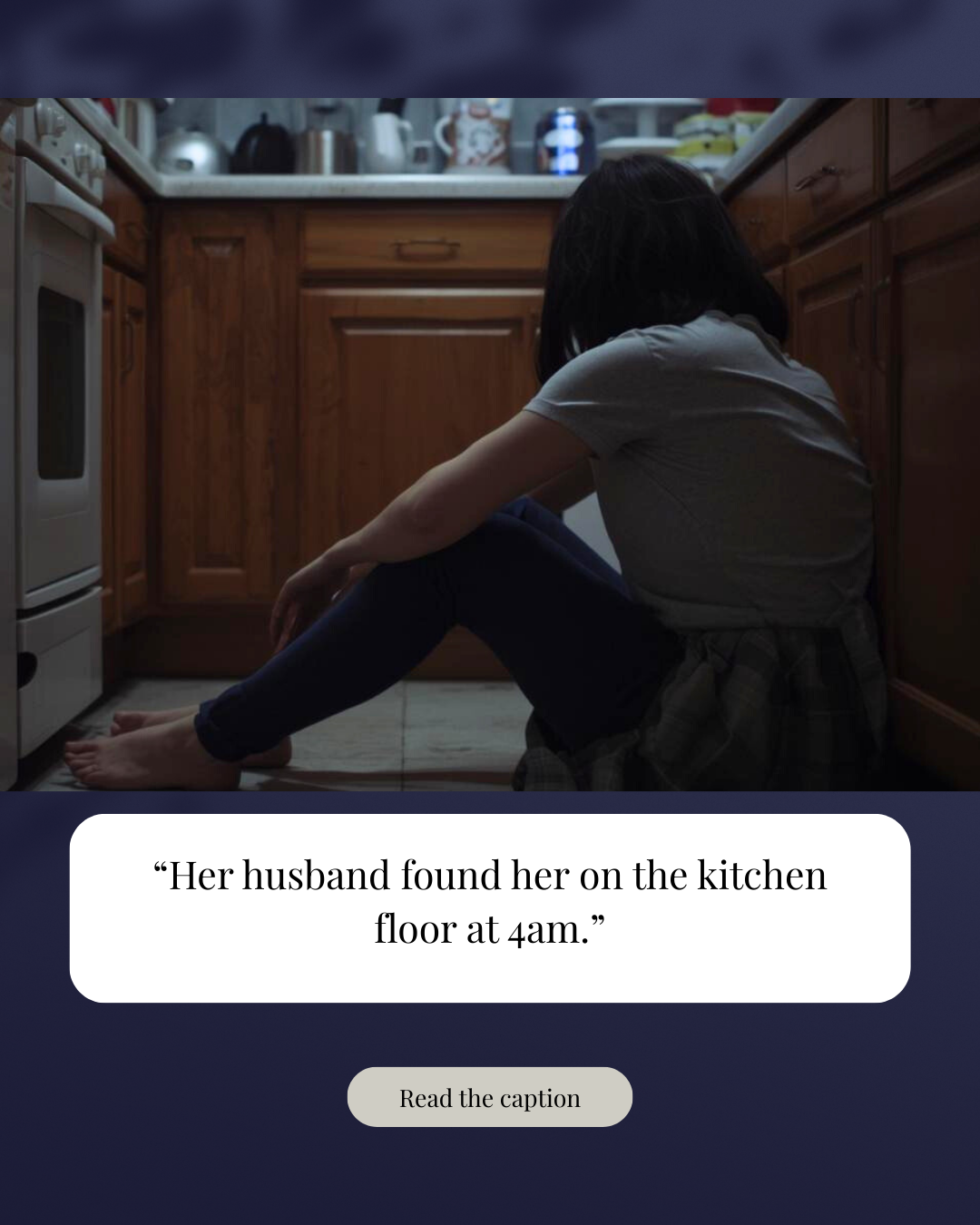
When Her Husband Found Her on the Kitchen Floor at 4am
Poor sleep isn't actually a sleep problem. When your nervous system has spent years in protection mode, no amount of melatonin or meditation will change that. Here's why your body won't switch off, and what actually needs to happen for rest to become possible again.

The Four Thinking Patterns Sabotaging Your Leadership (And Why They're Actually Childhood Survival Strategies)
Even the most capable leaders can be derailed by relentless self-doubt. These four thinking patterns feel logical in the moment, but they’re often unconscious childhood survival strategies running your leadership from the shadows.
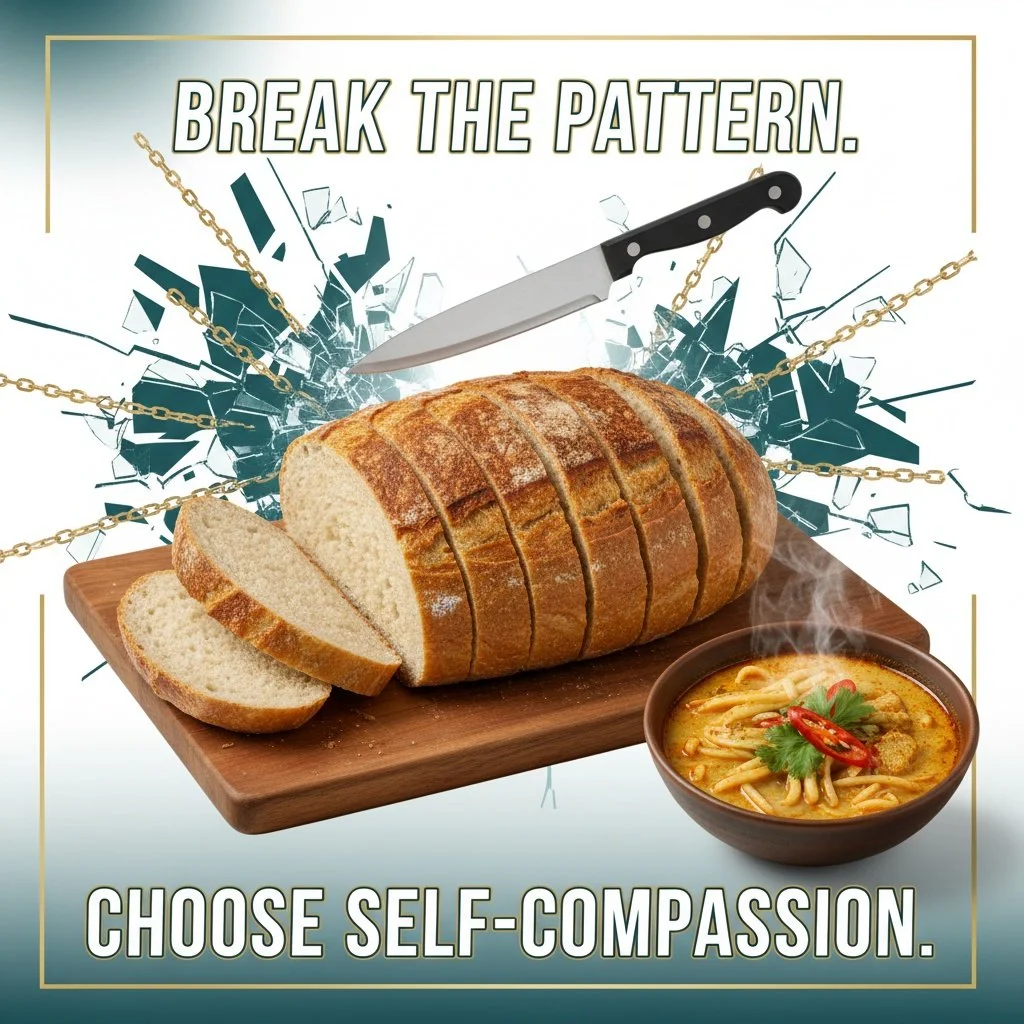
I Cut My Toast Wrong and Accidentally Broke a Self-Destruction Pattern
I cut my toast “wrong” and realised how many invisible rules I follow about being a ‘good professional’ rules that quietly punish my needs and reward self-abandonment. This is a story about burnout patterns hiding in plain sight, the moment you start waking up to them, and a simple test to choose function over performance.
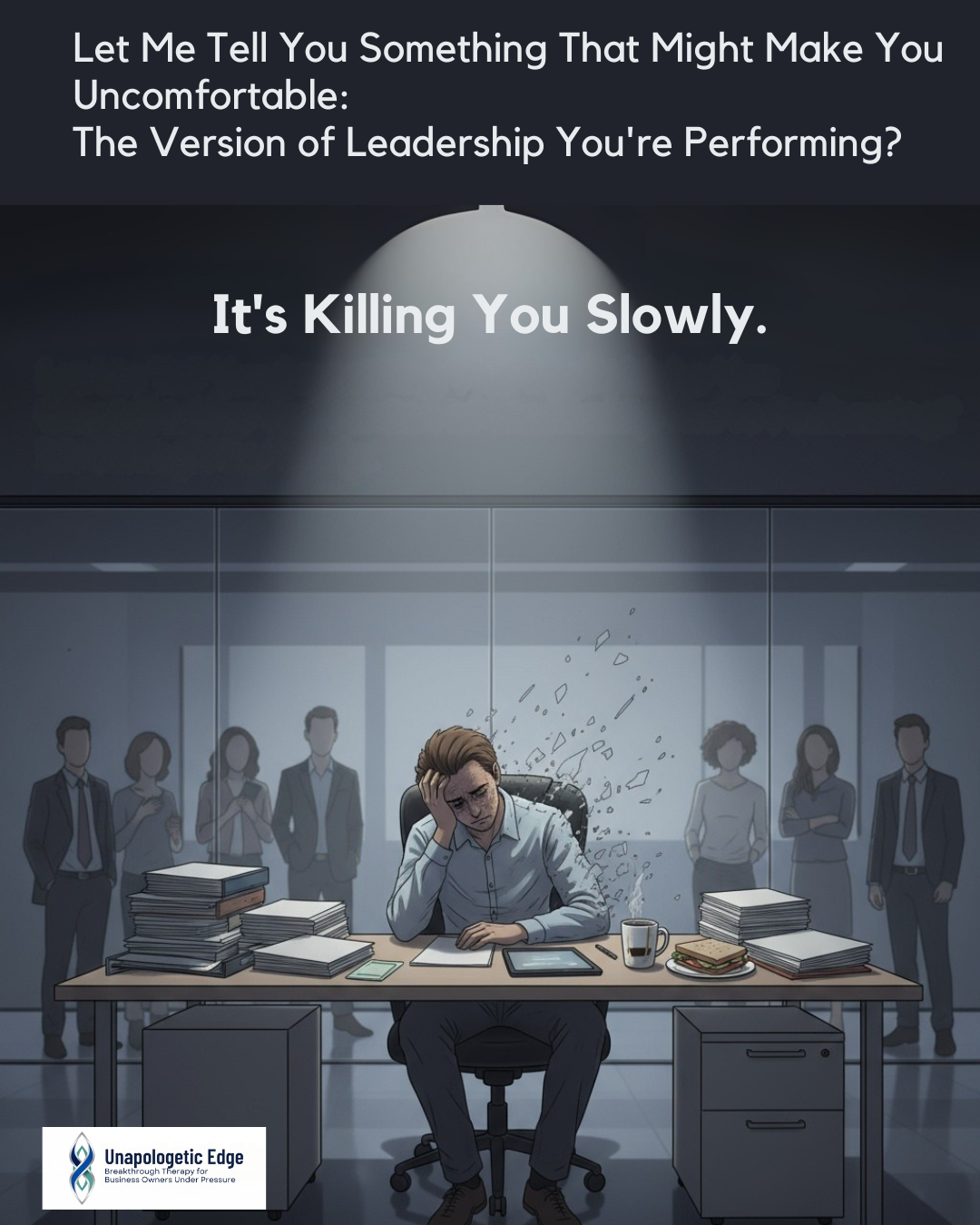
Let Me Tell You Something That Might Make You Uncomfortable: The Version of Leadership You're Performing? It's Killing You Slowly.
Professional self-sacrifice is sold as dedication, but it quietly erodes your nervous system, your clarity, and your capacity to lead. This article explores why depletion has become normal — and what sustainable leadership actually requires.

Why You're Exhausted but Still Can't Sleep
You're exhausted but wired. You've tried melatonin, meditation, everything. The problem isn't sleep quality, it's a nervous system that won't stand down. Here's the difference between forcing calm and actually allowing your body to rest.

Why Vagus Nerve Hacks Aren't Enough
Vagus nerve hacks help you feel calm for 20 minutes. But if your nervous system has spent years learning to stay on guard, that calm won't last. Here's the difference between regulation and resolution, and why one actually sticks.